

1. What is a Worksite Bunk Bed and Why is it Needed?
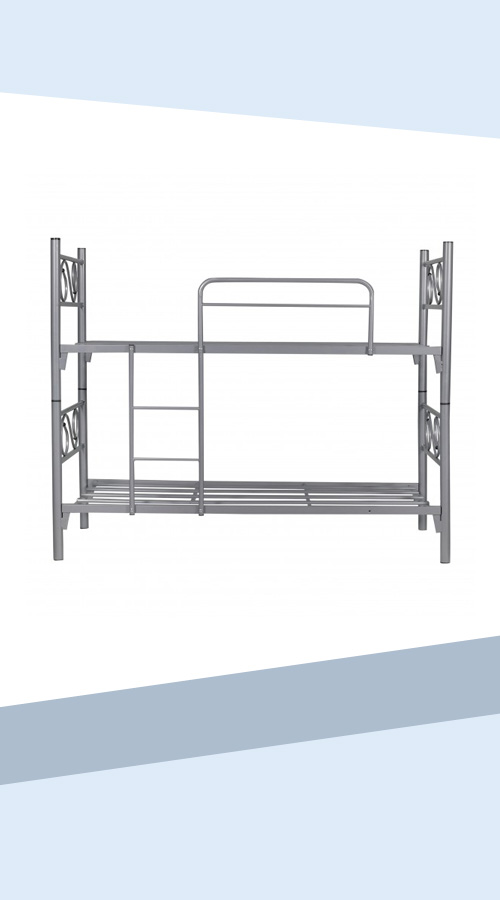
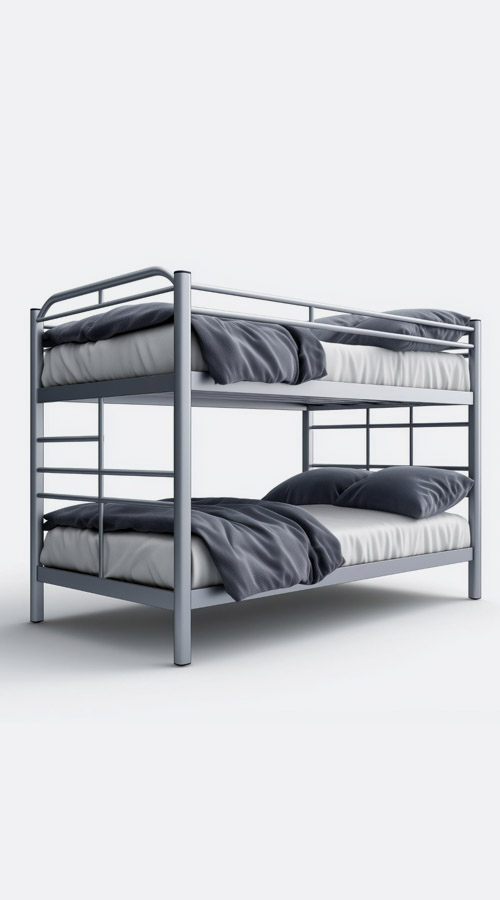
A worksite bunk bed is a modular, durable, and easily portable sleeping system used for workers’ accommodation at construction sites. For a purchasing specialist, a bunk bed is not just a bed; it’s a strategic investment affecting logistics, safety, maintenance costs, and worker productivity.
Choosing the right model for large-volume orders positively impacts unit cost, assembly speed, and storage efficiency. Therefore, total cost of ownership should always be considered, not just the initial price.
2. Criteria to Consider When Purchasing a Worksite Bunk Bed
Key criteria for purchase decisions include:
As a purchasing specialist, technical specifications (e.g., profile dimensions, coating standards, load capacity) and warranty/after-sales support must be clearly defined in the contract to avoid hidden operational costs.
3. Metal Bunk Bed? Material and Durability Comparison
Since construction environments can be harsh and abrasive, material choice is critical. Metal bunk beds (mostly steel profiles) offer advantages such as:
- High load capacity and long service life,
- Protective surface coating against UV, impact, and moisture,
- Predictable maintenance cycle (paint/coating renewal plan).
Alternatives (wood-reinforced or composite solutions) may provide comfort and lightness; however, for worker bunk beds, most corporate buyers still prefer metal/steel beds due to durability, cost-effectiveness, and ease of recycling.
4. Common Mistakes and How to Avoid Them
Common mistakes in the purchasing process:
- Focusing only on price: Attractive initial price may increase total cost due to transport, assembly, and maintenance.
- Lack of technical specifications: Undefined profile dimensions, weld quality, and coating standards lead to quality issues.
- No warranty or spare parts plan: For long-term projects, spare parts and service continuity become critical.
To avoid these mistakes, sample review, compliance testing, and if possible, reference site visits are recommended.
5. Özsa Özeniş Corporate Solutions
Özsa Özeniş provides industrial-standard metal bunk beds and worksite sleeping systems tailored to corporate buyers: customizable dimensions, quick assembly kits, and on-site training. Key advantages for purchasing specialists include:
6. Purchase Process: Step by Step
Recommended process for purchasing specialists:
- Needs Analysis: Determine project scale, staff numbers, transport, and storage constraints.
- Technical Specification: Document profile dimensions, coating type, load capacity, and assembly requirements.
- Sample & Pilot Order: Test a small batch of sample products on-site.
- Contract & Warranty: Clarify delivery, payment, and spare parts terms.
- Shipping & Assembly: Özsa Özeniş on-site team optimizes installation.
- Performance Monitoring: Evaluate performance during the first 3–6 months; implement improvements if necessary.